Can Roofing Felt Get Wet?
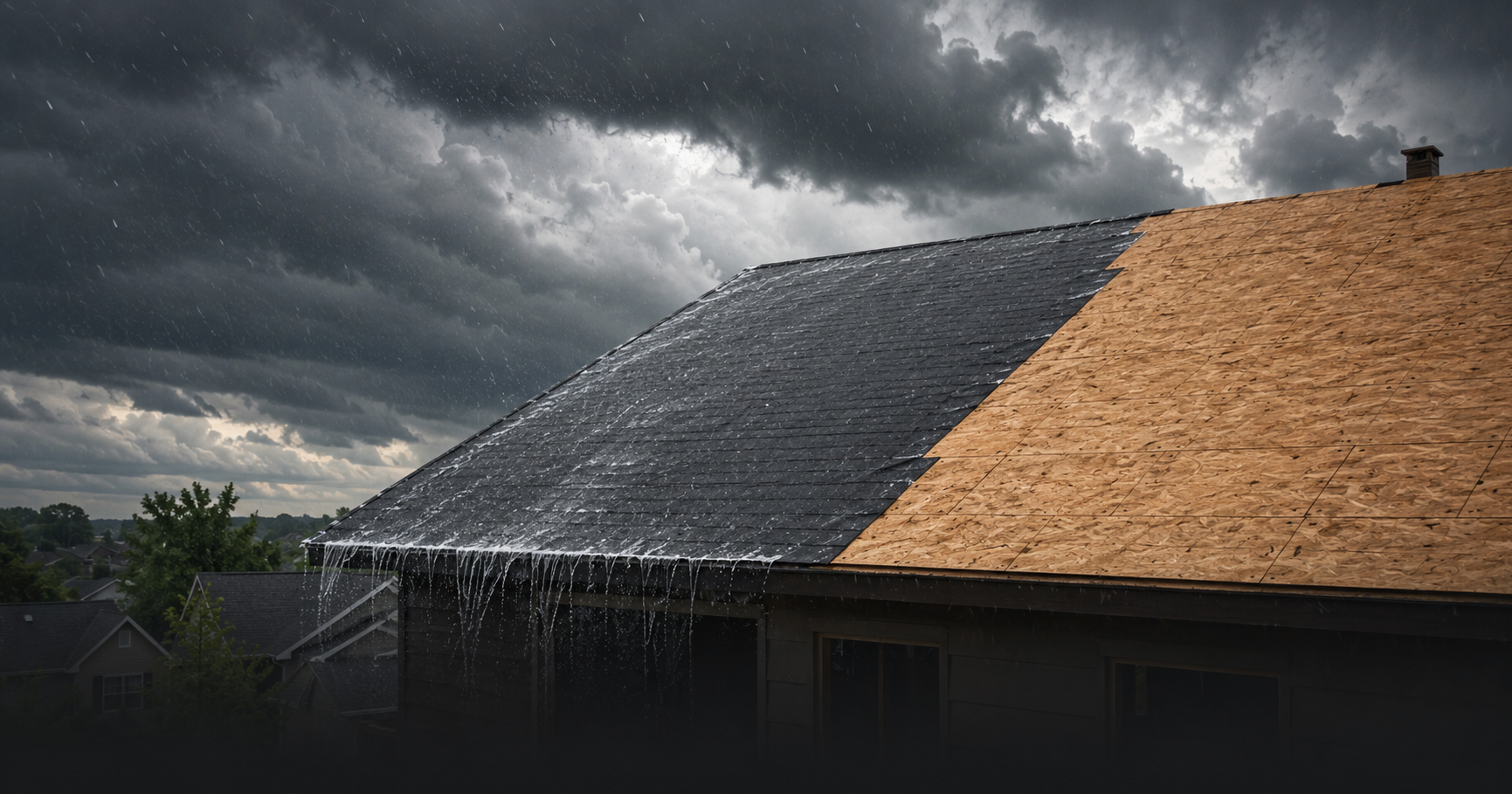
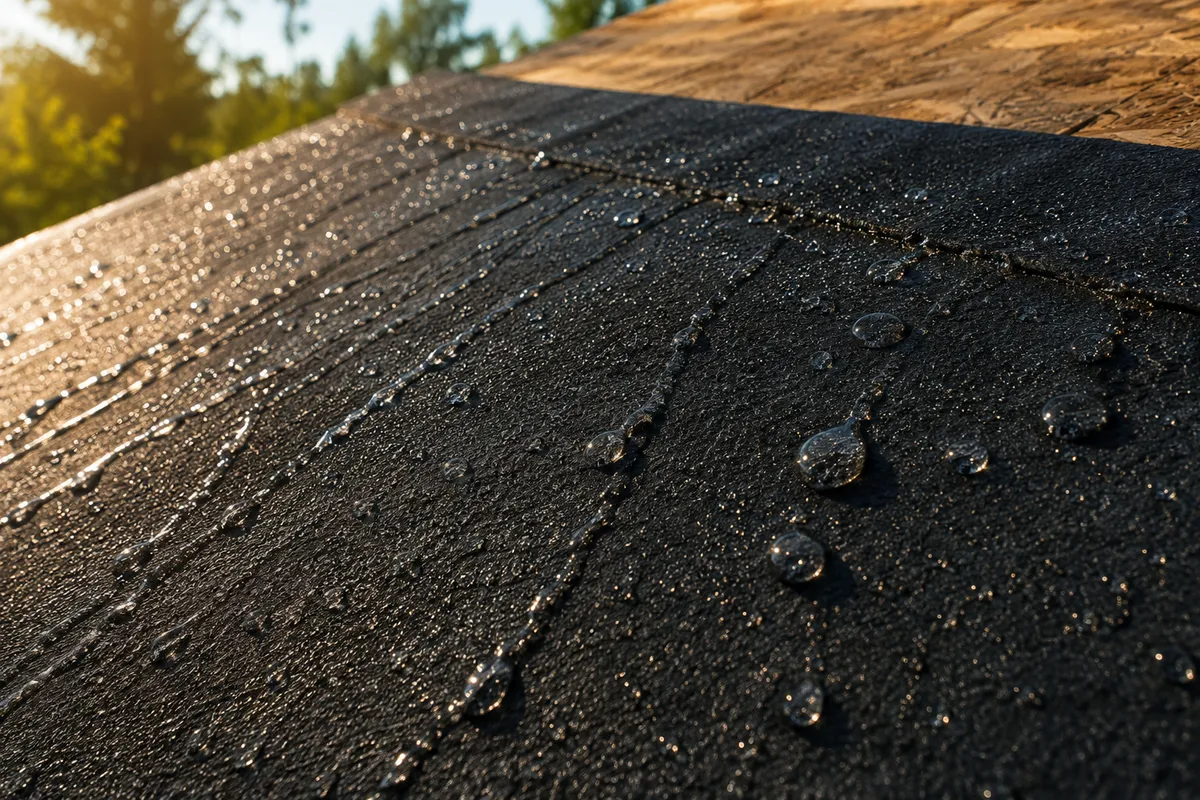
Yes, roofing felt can get wet — and it’s designed to handle brief exposure. Traditional #15 and #30 asphalt-saturated felt (tar paper) is water-resistant, not waterproof. It will shed rain and protect the roof deck for a short period, but prolonged or repeated soaking causes it to wrinkle, tear, and lose its effectiveness. Modern synthetic underlayments handle moisture much better.
- Brief rain exposure is OK — felt is designed as a temporary weather barrier during installation.
- Prolonged soaking is not — felt absorbs moisture over time, wrinkles, and can tear.
- Synthetic underlayment is superior — it’s truly waterproof and won’t degrade from moisture.
- Most building codes require underlayment beneath shingles as a secondary water barrier.
- If felt gets soaked, let it dry completely before installing shingles over it.
Felt vs. Synthetic Underlayment
| Feature | Asphalt Felt (#30) | Synthetic Underlayment |
|---|---|---|
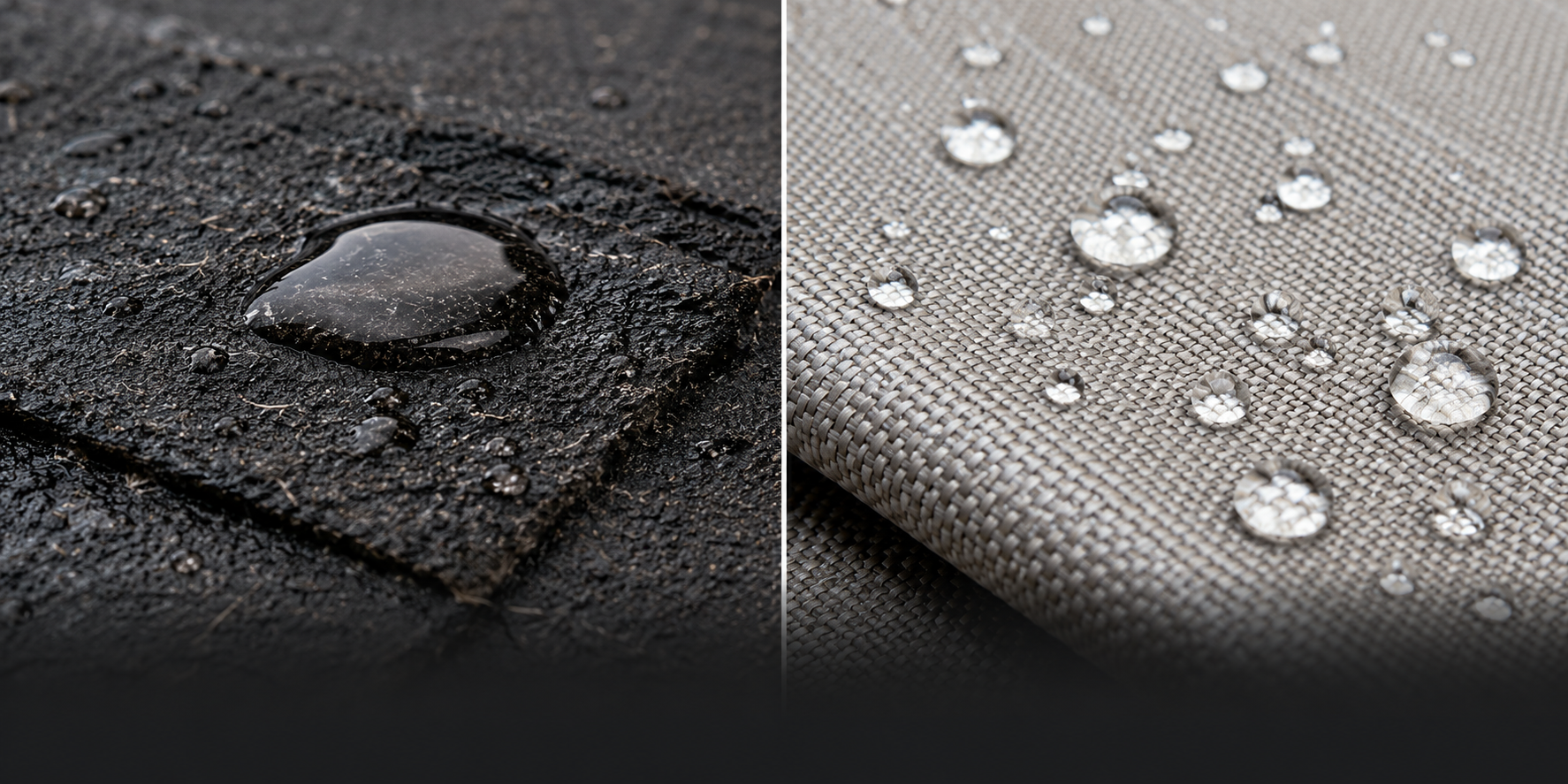
| Water resistance | Good (temporary) | Excellent (waterproof) |
| Tear resistance | Low | High |
| Weight | Heavy | Light |
| Wrinkle when wet | Yes | No |
| UV exposure tolerance | 30–60 days | 90–180 days |
| Cost | $0.10–$0.20/sqft | $0.15–$0.30/sqft |
What Happens If Felt Gets Soaked
If roofing felt gets rained on during installation, the immediate risk is low. The felt will shed most of the water. The problem comes if it stays wet: the asphalt-saturated paper absorbs moisture, swells, wrinkles, and can tear under foot traffic. Wrinkled felt under shingles creates uneven surfaces that can telegraph through and affect shingle performance.
If felt gets thoroughly soaked, the crew should let it dry before continuing. If it’s wrinkled or damaged, the affected sections should be replaced.
When Felt Matters Most
Underlayment — whether felt or synthetic — is your roof’s backup plan. If a shingle blows off, if ice dams push water uphill, or if a branch punctures your shingles, the underlayment is what keeps water from reaching the deck and your home’s interior. That’s why building codes require it and why the quality matters.
Frequently Asked Questions
How long can roofing felt be exposed to weather?
Traditional felt should ideally be covered with shingles within 30 days. Synthetic underlayment can handle 90–180 days of UV exposure depending on the product.
Should I use felt or synthetic underlayment?
Synthetic is the better product in nearly every category — stronger, lighter, waterproof, and easier to install. The cost difference is minimal. Most professional roofers have switched to synthetic.
Does wet felt cause mold?
If felt stays wet for extended periods (weeks) under installed shingles, it can contribute to moisture problems. Properly installed, the ventilation system should prevent this.
Written by the Roofana Team · Last updated: July 2026
Related: Homeowner Guides Hub · Can Roofing Be Done in the Rain? · How to Estimate Roof Cost
Price your roof free at roofana.com — 60 seconds, no salesman. Or call (414) 404-7663.
