What Is EPDM Roofing?
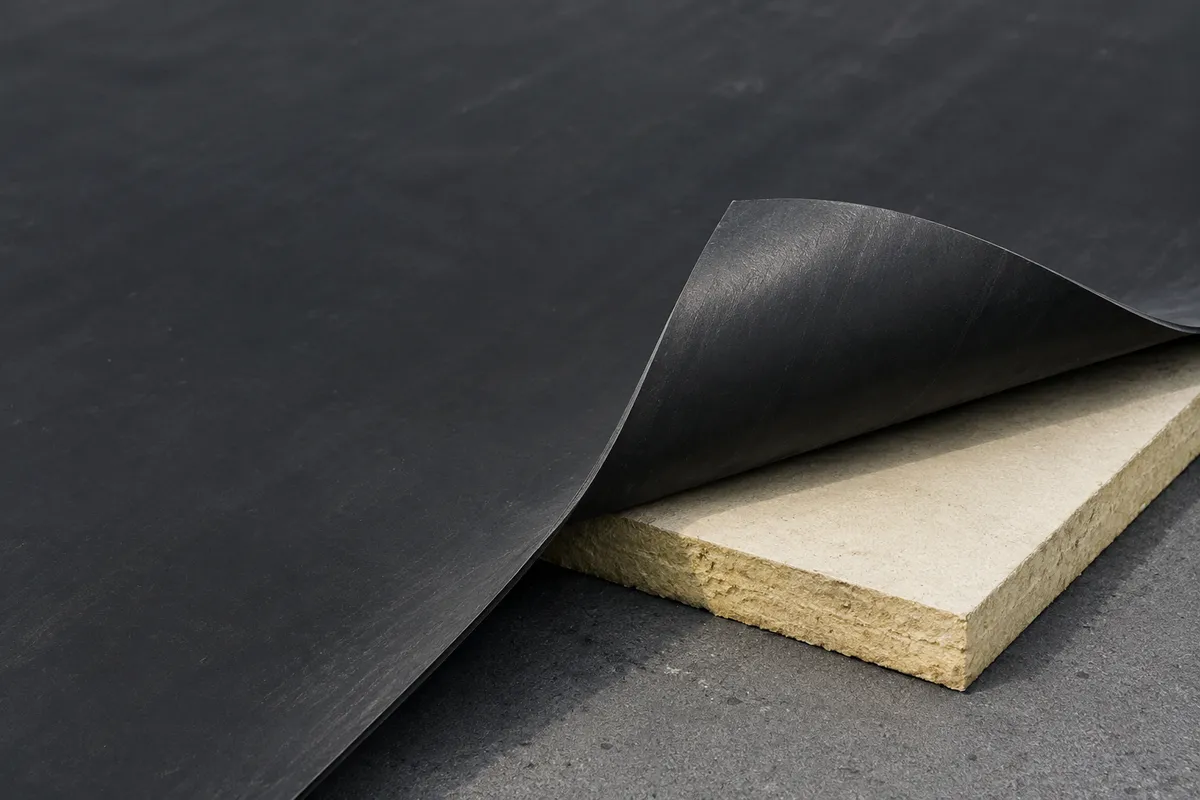
EPDM (ethylene propylene diene terpolymer) is a synthetic rubber roofing membrane used on flat and low-slope roofs. It’s been the workhorse of flat roofing since the 1960s — over 60 years of proven performance. EPDM comes in black or white, is installed in large seamless sheets, and typically lasts 20–30 years. It costs $4–$7 per square foot installed.
- EPDM is synthetic rubber — flexible, waterproof, and UV-resistant.
- 60+ year track record — the most proven flat-roof membrane on the market.
- Lifespan: 20–30 years, with some installations lasting 40+.
- Cost: $4–$7 per square foot installed — competitive with TPO.
- Available in black or white — white offers better energy efficiency.
How EPDM Works
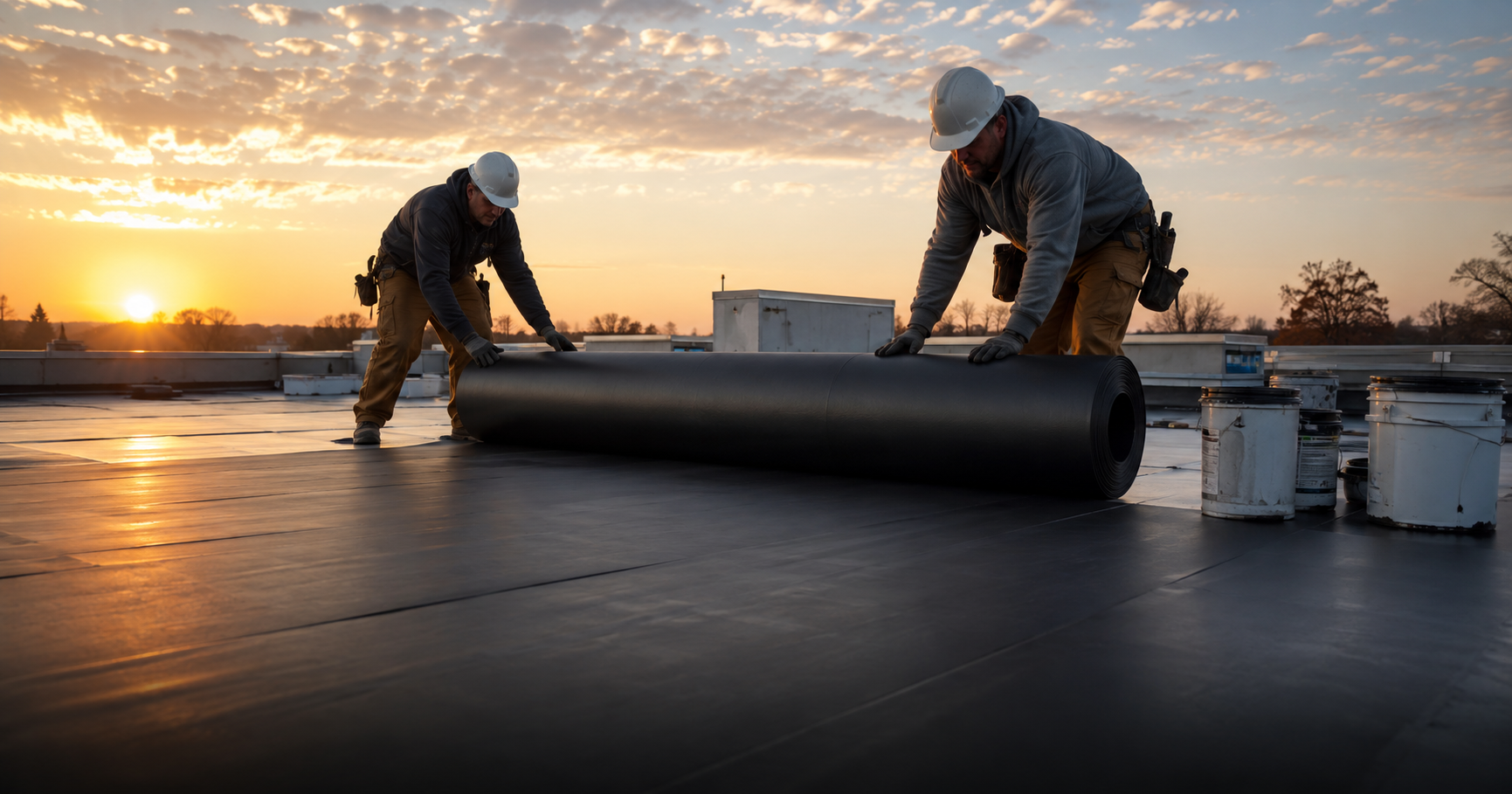
EPDM is manufactured in sheets up to 50 feet wide, which means many residential flat roofs can be covered with a single seamless sheet — no seams means fewer potential leak points. For larger roofs, sheets are joined using adhesive or seam tape.
The membrane is either fully adhered to the roof deck with contact cement, mechanically attached with fasteners and plates, or ballasted (held down by gravel or pavers). Fully adhered systems offer the best wind resistance.
EPDM vs. TPO
| Feature | EPDM | TPO |
|---|---|---|
| Track record | 60+ years | ~25 years |
| Lifespan | 20–30 yrs | 15–25 yrs |
| Cost | $4–$7/sqft | $5–$8/sqft |
| Color | Black or white | White (standard) |
| Seaming | Adhesive/tape | Heat-welded |
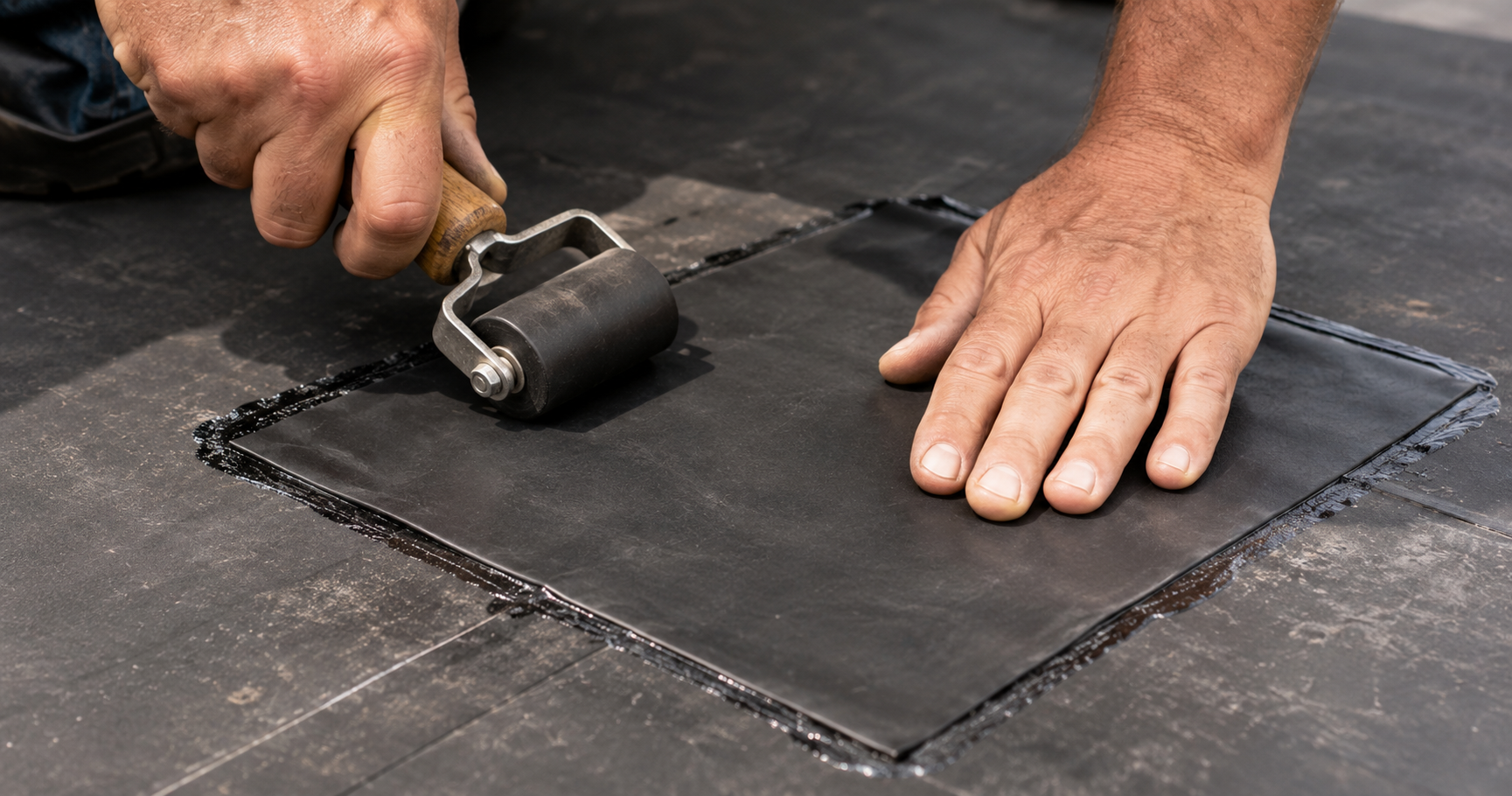
| Repairability | Easy — patch kits | Requires heat welder |
| Energy efficiency | Good (white) | Excellent |
Pros and Cons
Pros: Longest flat-roof track record, excellent durability, easy to repair with DIY patch kits, handles extreme temperature swings (-40°F to 300°F), lightweight, and very low maintenance.
Cons: Black EPDM absorbs heat (white version solves this), adhesive seams aren’t as strong as TPO’s heat-welded seams, and the rubber surface can be punctured by foot traffic or dropped tools.
When to Choose EPDM
EPDM is the best choice when you want proven longevity over the lowest possible price. It’s particularly strong in cold climates where its flexibility at low temperatures prevents cracking — a problem that can affect rigid membranes. It’s also the easiest flat-roof material to repair, which matters for buildings with frequent roof access.
Frequently Asked Questions
How long does EPDM roofing last?
20–30 years is typical, and many EPDM roofs installed in the 1980s are still performing today.
Can EPDM be installed over an existing flat roof?
Yes, in most cases EPDM can be installed over existing roofing without a full tear-off, saving labor and disposal costs.
Is EPDM roofing waterproof?
Yes — EPDM is inherently waterproof. Leaks occur at seams, flashings, or penetrations, not through the membrane itself.
Can I walk on an EPDM roof?
Yes, but wear soft-soled shoes and avoid dragging equipment. EPDM can be punctured by sharp objects.
Written by the Roofana Team · Last updated: July 2026
Related: Shingles & Materials Hub · What Is TPO Roofing? · Flat Roof Contractors
Price your roof free at roofana.com — 60 seconds, no salesman. Or call (414) 404-7663.
